
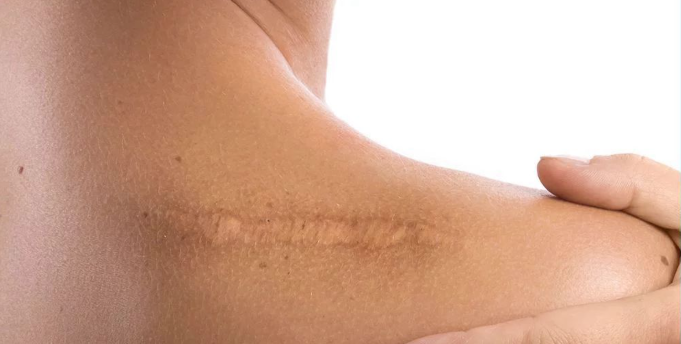
Why Do Some Scars Fade While Others Stay for Years?
When we experience a cut, surgical procedure, or even a minor burn, our main concern is usually getting the wound to heal properly.
Once the skin closes and the wound appears healed, many people assume the recovery process is complete.
But the truth is quite different.
Wound closure is not the end of the healing journey, it is the beginning of a new phase that can significantly influence how a scar will look in the future.
Do All Wounds Leave Scars?
The short answer is no.
Some wounds heal so well that their marks become barely noticeable over time, while others leave visible scars that may remain for years.
The difference depends on several factors, including the nature of the injury, individual skin characteristics, the body’s healing response, and perhaps most importantly, how the skin is cared for after the wound has healed.
What Happens After a Wound Heals?
Even after a wound has fully closed, the body continues repairing and remodeling the affected tissue.
During this stage, collagen production and reorganization continue beneath the surface of the skin.
This process plays a major role in determining the final appearance of a scar.
That is why proper post-healing care can make a meaningful difference in how a scar develops over time.
What Types of Wounds Can Leave Scars?
Scars can develop after a variety of skin injuries and medical procedures, including:
- Surgical incisions
- Cesarean section scars
- Minor to moderate burns
- Accidental cuts and wounds
- Deep skin injuries
While these injuries may increase the likelihood of scarring, they do not necessarily result in prominent scars.
The healing process and aftercare are often just as important as the injury itself.
Why Is Early Scar Care Important?
One of the most common mistakes people make is ignoring the area once the wound has closed.
In reality, scar care begins after the wound has fully healed, not before.
The earlier the skin receives appropriate care during this remodeling phase, the better the chances of achieving a smoother and less noticeable scar over the long term.
How Can You Support Healthy Skin Recovery?
Several factors can help support the skin’s natural healing process and improve the appearance of scars.
- Keep the Skin Moisturized
Maintaining skin hydration helps support skin elasticity and may contribute to a healthier-looking scar.
- Reduce Inflammation and Redness
Persistent inflammation can affect how a scar develops.
Supporting the skin’s recovery and minimizing irritation can help create a better environment for healing.
- Support Skin Renewal
The skin needs time and proper support to regenerate and restore its appearance as effectively as possible.
- Stay Consistent
Scar improvement is a gradual process. Consistent care is often one of the most important factors in achieving visible results over time.
Can Older Scars Be Improved?
In many cases, yes.
Although newer scars tend to respond more quickly to treatment and care, older scars may also improve in texture, appearance, and overall skin quality with consistent management.
Results vary depending on factors such as the scar’s age, size, location, and type.
The Bottom Line
A wound may heal within days or weeks, but the appearance of the skin afterward is influenced by what happens during the months that follow.
That’s why wound closure should not be viewed as the end of the healing process, but rather the beginning of an important new stage.
By giving the skin proper attention after a wound has healed, you can help reduce the appearance of scars and support healthier-looking skin in the long run.